Showing posts with label folic acid. Show all posts

Friday, April 11, 2008

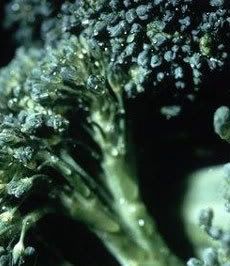
Broccoli: The Nutritious Warrior


Many nutritionists have dubbed broccoli a "SuperFood" - and with good reason. This tasty, versatile and nutrient-packed member of the cabbage family packs a strong anti-oxidant punch that can help fight many types of cancer, while also providing a hefty dose of calcium for strong bones and folic acid to prevent birth defects.
Broccoli contains the phytonutrients sulforaphane and indoles, which have been shown to effectively fight many types of cancer. Indole-3-carbinol has been found to deactivate an estrogen metabolite that promotes tumor cell growth, while increasing levels of a cancer protective form of estrogen called 2-hydroxyestrone. It also inhibits the movement of cancerous cells through the body.
Sulforaphane boosts detoxification enzymes to clear potentially carcinogenic substances from the body more quickly, while halting cell growth and increasing the self-destruct mechanism in abnormal cells. New research has shown that this phytonutrient can help repair sun damaged skin as well.
When broccoli is cut, chewed or digested, it releases glucose along with compounds that help to break down food, including isothiocyanates, which stimulate enzymes in the liver that detoxify carcinogens. One form of isothiocyanates, known as allyl isothicyanate, inhibits cell division while encouraging the self-destruct function in abnormal cells. These characteristics make regular consumption of broccoli a tasty way to reduce your risk of many types of cancer, including breast, prostate, colorectal and lung.
Broccoli is especially good to consume during pregnancy. It is packed with nutrients and an excellent source of calcium (74 mg per cup), vitamins C (124 mg per cup) K, and A, folate (94 mcg per cup) and fiber. The high calcium content helps to build and maintain healthy bones for your baby and you, while the folic acid helps prevent spina bifida and other birth defects, and the fiber content helps relieve constipation. Broccoli's high beta-carotene content helps fortify your immune system and promotes clear skin. Broccoli is also a good source of phosphorus, magnesium, potassium, and vitamins E and B6.
It is estimated that about 50 percent of Americans are infected with a bacterium known as H. pylori, which can cause ulcers and damage DNA. Eating broccoli sprouts has been found to suppress this potentially deadly bacterium and relieve the gastritis associated with it. Broccoli sprouts also provide 10-100 times the sulfur-containing phytonutrients as mature broccoli to detoxify carcinogens and boost enzymes.

Friday, January 25, 2008

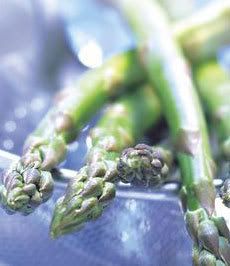
Asparagus for folic acid!


Asparagus has been prized for its delicate taste and nutritional benefits for nearly 2000 years. It has the highest folic acid content of any vegetable, making it a perfect food during pregnancy. It is also a natural diuretic, laxative, and may promote cardiovascular health.
Asparagus is a member of the lily family and related to onions and garlic. The tender spears that we eat grow from an underground crown, which can take up to three years to develop enough to produce shoots; but once it begins, the crown can continue to produce spears for up to 20 years.
The ancient Greeks and Romans believed asparagus could relieve toothaches and bee stings, and while these medicinal benefits have proven false, asparagus can help prevent and relieve other health conditions. Asparagus contains key minerals and amino acids that act as a natural diuretic, which may help relieve PMS-related water retention, arthritis and rheumatism. Its high fiber content may help prevent and relieve constipation, and it contains a particular type of amino acid that helps to neutralize ammonia in the body, which can be toxic and cause fatigue. It also contains rutin, a bioflavonoid, which strengthens blood vessels and prevents their rupture, and is a good source of potassium which can help fight hypertension and quell exercise-related nausea by balancing electrolyte levels.
The high folic acid content in asparagus may play a key role in promoting cardiovascular health. Folic acid has been shown to decrease homocysteine levels in the blood and to improve endothelial function (blood flow) in blood vessels. Homocysteine is a naturally-occurring amino acid, elevated levels of which have been linked to coronary heart disease and stroke. Some scientists estimate that consuming 400 mcg of folate daily could reduce the number of heart attacks suffered by Americans each year by 10 percent.
The folic acid found in asparagus is also necessary for new cell formation and maintenance as well as DNA replication, which are especially important during periods of rapid cell division and growth such as pregnancy. Folic acid deficiency has been linked with neural tube defects, such as spina bifida and anencephaly. Some studies show that folic acid may also help prevent stroke, some cancers, and possibly Alzheimer's disease.
The inulin content of asparagus may also promote intestinal tract health. We are unable to digest inulin, a certain type of carbohydrate, but the beneficial bacteria in our intestine can, which causes more of these good bacteria to grow and inhibit the growth of harmful bacteria. The proliferation of these good bacteria can help you to digest food and fight off illness.
It takes only one cup (approximately 5.3 ounces) of asparagus to supply 66 percent of the daily recommended dose of folic acid, and it is also a great source of vitamins C, E and A, and vitamins B1, B2, B3 and B6, as well as dietary fiber, iron, manganese, copper, and phosphorous.