Friday, January 25, 2008

Asparagus for folic acid!


Asparagus has been prized for its delicate taste and nutritional benefits for nearly 2000 years. It has the highest folic acid content of any vegetable, making it a perfect food during pregnancy. It is also a natural diuretic, laxative, and may promote cardiovascular health.
Asparagus is a member of the lily family and related to onions and garlic. The tender spears that we eat grow from an underground crown, which can take up to three years to develop enough to produce shoots; but once it begins, the crown can continue to produce spears for up to 20 years.
The ancient Greeks and Romans believed asparagus could relieve toothaches and bee stings, and while these medicinal benefits have proven false, asparagus can help prevent and relieve other health conditions. Asparagus contains key minerals and amino acids that act as a natural diuretic, which may help relieve PMS-related water retention, arthritis and rheumatism. Its high fiber content may help prevent and relieve constipation, and it contains a particular type of amino acid that helps to neutralize ammonia in the body, which can be toxic and cause fatigue. It also contains rutin, a bioflavonoid, which strengthens blood vessels and prevents their rupture, and is a good source of potassium which can help fight hypertension and quell exercise-related nausea by balancing electrolyte levels.
The high folic acid content in asparagus may play a key role in promoting cardiovascular health. Folic acid has been shown to decrease homocysteine levels in the blood and to improve endothelial function (blood flow) in blood vessels. Homocysteine is a naturally-occurring amino acid, elevated levels of which have been linked to coronary heart disease and stroke. Some scientists estimate that consuming 400 mcg of folate daily could reduce the number of heart attacks suffered by Americans each year by 10 percent.
The folic acid found in asparagus is also necessary for new cell formation and maintenance as well as DNA replication, which are especially important during periods of rapid cell division and growth such as pregnancy. Folic acid deficiency has been linked with neural tube defects, such as spina bifida and anencephaly. Some studies show that folic acid may also help prevent stroke, some cancers, and possibly Alzheimer's disease.
The inulin content of asparagus may also promote intestinal tract health. We are unable to digest inulin, a certain type of carbohydrate, but the beneficial bacteria in our intestine can, which causes more of these good bacteria to grow and inhibit the growth of harmful bacteria. The proliferation of these good bacteria can help you to digest food and fight off illness.
It takes only one cup (approximately 5.3 ounces) of asparagus to supply 66 percent of the daily recommended dose of folic acid, and it is also a great source of vitamins C, E and A, and vitamins B1, B2, B3 and B6, as well as dietary fiber, iron, manganese, copper, and phosphorous.

Friday, January 11, 2008

Natural Household Cleaners


Many of the household cleaners we use every day contain toxic chemicals that may be harmful to you, your baby, and the environment. But there's little need for these harsh chemicals when effective and safe alternatives may already be sitting in your cabinets. Here are some common products that can be used for a variety of household jobs - safely and effectively.
Baking Soda (sodium bicarbonate)
Baking soda is a mild alkaline that can be used to neutralize, shine and deodorize many items. It can deodorize the refrigerator, carpets, drains, upholstery, and vinyl, as well as your underarms. Use it to clean and polish aluminum, chrome, plastic, porcelain, silver, stainless steel, tin, counter tops, sinks, bathtubs, ovens and fiberglass and even your teeth when used as toothpaste. It is also useful as a fabric softener and stain remover, and can soften hard water and be used as a bath soak.
Borax (sodium borate)
Available at most supermarkets, Borax is an effective deodorizer, prevents mold and mildew growth, boosts the cleaning power of soap and detergent, and removes stains. Sprinkle about a half a cup of Borax in the bottom of your garbage and diaper pails to keep them clean and odorless. It can also be mixed with sugar to attract and kill cockroaches.
Cornstarch
Cornstarch is made from the starch of corn kernels. It can be used to clean windows, polish furniture, shampoo carpets and rugs, and starch clothes. Look for baby powders that contain cornstarch as it is now used as an alternative to talc.
Isopropyl Alcohol
Isopropyl alcohol is an excellent disinfectant and strong degreaser, but be sure to use it in well-ventilated areas, wear gloves, and keep it away from children. Poisoning can occur from ingesting, inhaling, or absorbing it through prolonged contact with the skin. Symptoms of isopropyl alcohol poisoning include flushing, headache, dizziness, nausea, vomiting, and coma.
Lemon Juice (citric acid)
The juice of the common lemon can deodorize and remove greasy or sticky stains from aluminum, clothes and porcelain. It also can be used as a glass cleaner, but don't use it in direct sunlight as it can cause streaking.
Vegetable Oil
Vegetable oil can be made out of several types of seeds and is an effective and safe furniture and wood floor polish.
Soap
An all-purpose liquid soap, which can be used for washing dishes or hands, can be made by simple dissolving the old ends of bar soap (or grated slivers of bar soap) in warm water.
TSP (trisodium phosphate - soda ash and phosphoric acid)
TSP is available at most hardware stores and is a powerful cleanser and degreaser. It is commonly used to clean and treat wood before painting, but is not recommended for use on metal as it can cause corrosion. It is harmful if swallowed.
Vinegar
Vinegar acts as a mild acid to dissolve mineral deposits and grease, remove traces of soap, remove mildew and wax buildup, polish some metals (stainless steel), and deodorize. It is useful for cleaning brick and stone, and can be mixed with water for a powerful carpet cleaner. It can remove the metallic taste in coffeepots and shine windows without streaking. Coat your hands in vinegar before and after slicing onions to remove the smell. Floor and furniture polish can be as simple as a few drops of vinegar in water mixed equally with olive oil. Any type of white vinegar will work well for household chores.
Washing Soda (sodium carbonate decahydrate)
Washing soda, also sold as sal soda, in chemical-supply and drug stores can cut grease on grills, broiler pans, and ovens. It does not emit any harmful fumes but it is caustic, so wear gloves while using it. It can remove petroleum oil, wax, lipstick from surfaces and neutralize odors; however, don't use it on fiberglass, aluminum or waxed floors, because it will take the top layer off. Mix a teaspoon washing soda with a gallon of hot water to clean painted wood floors.
Essential oils
Lavender, tea tree, pine, myrrh, sage, peppermint, rosemary, eucalyptus, wormwood, thyme, and cloves are all essential oils you can add to homemade cleaning solutions. Each has antiseptic, anti-fungal or anti-bacterial properties.
Use the afore-mentioned ingredients for the following... Read more: http://www.parentingweekly.com/pregnancy/breathingspace/vol23/pregnancy_health_fitness.asp

Friday, January 4, 2008

The Power of Omega-3


In today's diet-conscious culture, many people try to eliminate every kind of fat from their diet. However, omega-3 fatty acids, also known as polyunsaturated fatty acids, are good fats that can improve cardiovascular health, prevent diabetes, improve brain function, and may even help you lose weight.
According to the American Heart Association, omega-3 fatty acids can improve cardiovascular health by decreasing blood pressure, minimizing the hardening of arteries, stabilizing heart rhythm and preventing the development of clots and plaque, thereby decreasing the chance of stroke and heart attack. Omega-3 fatty acids have also been shown to reduce LDL ("bad") cholesterol and increase DHL ("good") cholesterol.
The high blood glucose levels associated with diabetes can damage nerves and blood vessels and lead to increased deposits of fatty materials on the insides of the blood vessel walls, which can lead to complications such as heart disease and stroke. Omega-3 fatty acids help lower blood sugar and reduce plaques and clotting, helping to prevent heart disease and keep diabetes at a manageable level.
In addition, DHA (docosahexaenoic acid), one kind of omega-3 fatty acid, has been found to boost insulin function in people who are obese and at particular risk of developing type 2 diabetes. In one study, 70 percent of patients with insulin resistance who took a daily dose of omega-3 fatty acids showed a marked improvement in insulin sensitivity.
Omega-3 fatty acids may even contribute to weight loss, although additional studies are needed to confirm initial findings. According to several small studies, it appears that omega-3 fatty acids may increase oxidation of fat by activating genes that break down fat and reduce the number of fat cells, especially in the abdominal region. And due to regulated blood sugar levels, omega-3 fatty acids may make you feel fuller longer, helping to curb those snack attacks.
Inflammatory disorders such as asthma, rheumatoid arthritis and osteoarthritis, and irritable bowel syndrome (IBD) may be at least partially relieved from omega-3 fatty acids. Researchers at the University of Pittsburgh Medical Center gave patients suffering from chronic pain fish oil supplements for 20 to 30 days and found that nearly two-thirds of the patients no longer needed to take other anti-inflammatory pain medication. At Indiana University, patients taking fish-oil supplements were found to have reduced symptoms of asthma and exercise-induced bronchoconstriction.
Omega-3 fatty acid's ability to improve brain function has been the focus of a lot of attention. A particular type of brain wave that is linked to memory and learning has been found to transmit significantly faster when supplemented with omega-3 fatty acids. These brain waves typically slow down with age and are slower in people with dementia. But within two hours after taking the supplements, test subjects showed an increased rate of transmission. DHA is also critical to proper visual and neurological development in babies and infants who do not get enough omega-3 fatty acids from their mothers during pregnancy are at risk for developing vision and nerve problems.
The effects of omega-3 fatty acids on the brain may also contribute to psychological stability. DHA makes up about 25 percent of the body's brain fat and manages the production and flow of serotonin. People battling bi-polar disorder, depression, and schizophrenia have been found to be DHA deficient, although more studies are necessary to determine the connection between psychological health and omega-3 fatty acids. This finding may be particularly helpful for women suffering from postpartum depression and those going through menopause.
Read more:
http://www.parentingweekly.com/pregnancy/breathingspace/vol22/pregnancy_health_fitness.asp

Tuesday, December 11, 2007

The Third Eye Meditation


Breathe deeply. Inhale, slowly filling your abdomen up to your collarbone and exhale until the last breath is out. Relax.
Close your eyes. Place your attention on the area between your eyebrows. After a short time, a point of light will present itself in the center of your inner field of vision. Keep your focus there. For some people, it will be beneficial to raise their eyeballs as if they were looking up at about a 25-degree angle. For others, just directing their attention upwards will be easier and less distracting. After some experimentation, go with one of the ways exclusively. In the beginning of third eye practice, it may help to place your thumb at the outer edge of one eye and your middle finger on the outer edge of the other, while placing your index finger at the mid-point between your eyebrows. This gives you a point of focus to place your attention. It also allows you to prevent your eyelids from fluttering. This commonly occurs and can be distracting until you get used to the sensations that accompany this technique.
Let the light come to you. Be available to be filled. The more you continue practicing this meditation, the more layers of the veil of illusion will peel away and Reality will reveal itself to you. As you perceive the Truth, your understanding of the delusional concept that you are apart from the rest of the universe will lose its grip on you, and the knowledge that you are a part of all and everything will become undeniably apparent. Your chattering mind will eventually dissolve in the unspeakable transcendent light of love that is now and forever within and without you...

Friday, December 7, 2007

The Importance of Dietary Iron


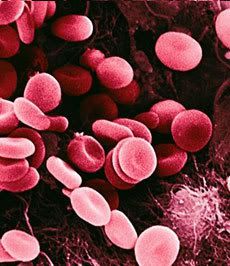
Iron is found in every cell of your body and is an essential component of hemoglobin, the protein in red blood cells that carries oxygen to tissues throughout the body. Iron is also found in myoglobin, which distributes oxygen to the muscle, skeletal, and heart muscles. Iron is also critical to the proper functioning of the immune system and the production of energy. Insufficient iron stores in the body can lead to anemia and other illnesses. Women who are menstruating, pregnant, or lactating are at an increased risk for iron deficiency.
There are two types of dietary iron: heme iron, which is found only in animal tissue, and non-heme iron, which is found in plant foods and diary products and is added to iron-enriched and iron-fortified foods. Although heme iron has been shown to be more readily absorbed by the body, most dietary iron is non-heme.
Iron deficiency is the most common nutrient deficiency in the US and around the world. Iron deficiency causes anemia which reduces the oxygen carried to tissue. Donating blood regularly, excessive menstrual bleeding, some medications that interfere with the absorption of iron (such as antacids), and pregnancy and lactation can all contribute to iron deficiency. The elderly, vegetarians and children are often iron deficient. People who are low in iron may experience weakness, fatigue, an inability to focus, increased susceptibility to illness, hair loss, lack of balance, headaches, brittle nails, apathy and depression. They may also crave or eat inedible materials such as dirt, clay, laundry starch, charcoal, and lead paint chips, a behavior called pica. Iron deficiency is associated with learning disabilities and a lower IQ in children and Harvard researchers recently determined that that iron deficiency may play a key role in female infertility.
Chronic iron overload, on the other hand, can cause many of the same symptoms, including loss of appetite, fatigue, weight loss, headaches, bronze or gray hue to the skin, dizziness, nausea, and shortness of breath. However, this condition usually only occurs in people who have regular blood transfusions, take iron supplements or have a genetic disorder called hemachromatosis. Men are at a greater risk for iron overload than a deficiency because they do not regularly lose iron.
Iron poisoning can occur when large quantities of iron-containing supplements are ingested and can cause nausea, vomiting, damage to the lining of the intestinal tract, shock, and liver failure. It is a leading cause of death among children.
The iron present in whole grains is contained in the bran and germ. The milling process that turns whole grains into refined grains removes the bran and germ, eliminating approximately 75 percent of the iron. Although many refined grains are fortified with iron, it does not absorb as well as naturally occurring iron. And while cooking with iron cookware adds iron to food, it can eventually lead to iron toxicity. Our bodies absorb iron as it's needed; for example, during children's growth spurts and during pregnancy and lactation. Certain nutrients increase iron absorption, such as ascorbic acid (vitamin C), copper, cobalt, manganese and amino acids, while others - such as calcium - decrease its absorption. While oral contraceptives don't increase absorption, they can help women maintain their iron levels by reducing the amount of blood lost during menstruation.
The regular use of antacids and low stomach acid can decrease the body's ability to absorb iron, as can the caffeine and tannins in coffee and tea. While the effect from tannins does not need to be a consideration for people with healthy iron levels, those who are iron deficient should wait an hour or more after meals before drinking caffeinated teas. In addition, the phosphates found in soda, phytates found in whole grains, and oxalates found in spinach and chocolate can all decrease iron absorption. The phytates and oxalates can form complexes with the iron, which prevents its absorption in the intestinal track.

Find out more about dietary iron and how you can get it from your diet: http://www.parentingweekly.com/pregnancy/breathingspace/vol18/pregnancy_health_fitness.asp

Wednesday, November 28, 2007

Olive Oil's Bountiful Benefits


Olea europaea, also known as the olive tree, has been a source of food, wood, fuel and medicine for civilizations since approximately 3000 B.C and has become a symbol of peace and wisdom throughout the world. The oil produced from its olives is used extensively in Mediterranean diets and may be the cause of lower rates of heart disease, atherosclerosis, diabetes, asthma and certain types of cancer in that region's population.
Olive oil is made from crushing and pressing olives. Extra virgin is the unrefined oil made from the first pressing and has the most delicate flavor and highest phyto-nutrient and antioxidant content. Virgin is also derived from the first pressing but has a higher acidity level than extra virgin, fewer phyto-nutrients and a less delicate flavor. Pure olive oil is a bit of a misnomer as it actually means the oil is a blend of refined and virgin olive oils.
While olive oil is rich in fat, it is primarily monounsaturated fat which is better for you than saturated fat. Scientists have determined that particles of LDL ("bad") cholesterol that contain monounsaturated fats are less likely to become oxidized and stick to artery walls, eventually forming the plaques that can lead to a heart attack or stroke. A recent study, published in the Medical Science Monitor, of 28 individuals with high cholesterol showed that, when the saturated fat was removed from their diets and replaced with olive oil, their LDL cholesterol levels dropped an average of 18 percent. Scientists believe that the polyphenolic compounds found in olive oil inhibit the adhesion of cells to the blood vessel lining, thereby preventing atherosclerosis.
The polyphenols present in olive oil are responsible for its anti-inflammatory, antioxidant and anticoagulant benefits, and may help fight osteoporosis, colon cancer, diabetes, heart disease, asthma and arthritis. The positive affect of olive oil's polyphenols on bone health are so dramatic that France's National Institute for Agricultural Research has been licensed to use them in food, supplements and herbal medicine for the prevention of osteoporosis. Postmenopausal women used in a crossover study were found to have decreased inflammation-mediated bone loss and their DNA experienced 30 percent less damage when consuming extra virgin olive oil. This is due to the antioxidants found in olive oil, which are free radical scavengers.
A recent study found that the oleic acid found in olive oil may help fight breast cancer. Oleic acid, the primary monounsaturated fatty acid present in olive oil, has been found to reduce the expression of Her-2/neu oncogene, which has been related to the aggressive growth of breast cancer. Her-2/neu levels are high in one-fifth of breast cancer cases, particularly those that are resistant to treatment. Oleic acid promotes the suicide (apoptotic) of aggressive, treatment-resistant cells. The anticoagulant properties in olive oil have beneficial effects on the endothelium, the thin layer of cells that lines every blood vessel in the body. The endothelium facilitates blood flow and regulates blood clotting and the adhesion of cells to the vessel walls (which leads to the formation of plaque). After eating a meal, the endothelium is usually impaired for hours, but scientists at Reina Sofia University Hospital in Cordoba, Spain, found that after consuming virgin olive oil its function actually improves. In addition, the amount of nitric oxide in the blood increases, which relaxes the blood vessels.
Olive oil may also be useful as a mild pain reliever. Pennsylvania biologist Dr. Gary Beauchamp found that, when he tasted high quality olive oil, the stinging sensation it left in his throat resembled the sensation caused by ibuprofen. After studying olive oil further, he discovered a compound in the oil that suppresses the body's prostaglandin system and functions like a non-steroidal anti-inflammatory agent. He found that approximately 4 tablespoons of extra-virgin olive oil contains roughly the same amount of anti-inflammatory compounds, or oleocanthal, as 10 percent of the ibuprofen recommended for pain relief in adults. While this amount won't cure a headache and many diets should not include this much oil, daily consumption can prevent inflammation and provide similar benefits as long-term ibuprofen use without the risk of intestinal bleeding and kidney damage. To find out how much oleocanthal is in your olive oil, scientists suggest tasting it. The greater the sting, the greater the oleocanthal content.
Read more:

Tuesday, November 20, 2007

The Heart Can Heal Itself


At the University College London (UCL), scientists have recently discovered that cells from the heart's outer layer can migrate into a failing organ to carry out necessary repairs. This finding highlights the power of stem cells that are readily available in each person's heart and may lead to more effective treatment of serious heart problems.
Ten years ago, a toddler with a heart that was too big and too weak was given a donor heart and her original heart left intact. Recently, her body rejected the donor heart and when the doctors opened her up, they found her heart had healed itself.
The cells that carry out these repairs are called progenitor cells and are controlled by the protein thymosin beta 4, which has already been shown to reduce muscle cell loss after a heart attack. Scientists are now researching ways to manipulate this protein to treat heart disease. Progenitor cells are similar to stem cells because they have the potential to turn into many different types of adult tissue.
In the past, it was thought that to carry out repairs on the heart, progenitor cells needed to be summoned from the bone marrow, but this study puts that theory to rest. The progenitor cells needed to repair the heart are already located within the heart tissue itself.
The UCL team found that progenitor cells under the influence of thymosin beta 4 can be stimulated to create new blood vessels. Dr. Paul Riley, the lead researcher said: "We found that, when treated with thymosin beta 4, these adult cells have as much potential as embryonic cells to create healthy heart tissue." This discovery helps to avoid the risks of immune system rejection when using stem cell transplants from another source because the cells are already located where they are needed.