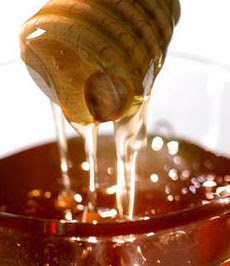
Living up to its name as the "Nectar of the Gods," honey and other bee products historically have been hailed for a wide-range of uses, including quick energy for workouts, to increase fertility, to halt decomposition in certain foods, and increase overall nutrition. It is used in skin products, to soothe sore throats and to increase intestinal health. Truly a miraculous substance, honey and other bee pollen products come in almost as many varieties as wine but offer many more benefits.
Before grape wine was ever introduced, people in ancient Crete were consuming "honey wine," made from honey, water, yeast and added flavors. The word "honeymoon" stems from Anglo-Saxon times when newlyweds would take a fermented honey drink, called mead, every day for a month to increase fertility. Honey wine was popular throughout history in Northern Europe; so popular, in fact, that the word for "drunk" in classic Greek is translated as "honey-intoxicated."
The most commonly known bee product is honey, which is a concentrated energy source and contains antioxidants and amino acids, as well as a wide variety of vitamins and minerals, such as vitamin B6, thiamin, riboflavin, Pantothenic acid and minerals such as calcium, copper, iron, magnesium, manganese, phosphorus, potassium, sodium and zinc. Although these substances appear in trace amounts and vary depending on the honey's floral source, they contribute to the overall nutritional benefit of honey. There are over 300 floral sources for honey in the United States, including clover, alfalfa, buckwheat, blackberry, and orange blossom. A honey's flavor, color, and consistency are usually determined by the dominant floral source in the area where the honey is made. Lighter-colored honeys have a milder taste, while darker-colored honeys are usually bolder in flavor. Darker honeys also tend to have a higher mineral content and greater antioxidant potential.
Honey contains natural sugars that are quick and easy to absorb, making the journey from table to bloodstream in a record-breaking seven minutes. The natural sugars present in honey are glucose and fructose, and recent studies suggest that this unique mixture of sugars works best in preventing fatigue and enhancing athletic performance, and it won't cause the sudden drop in blood sugar that is associated with refined sugars.
A limited study at the University of Memphis Exercise and Sports Nutrition Laboratory found honey to be one of the most effective forms of carbohydrate gels to ingest just prior to exercise. Many post-workout products on the market combine large amounts of carbohydrates (usually maltodextrin) with protein. In a comparison of a honey-protein versus a maltodextrin-protein shake taken after a vigorous weightlifting workout, the honey-protein combination was as efficient at promoting muscle recuperation, and the blood sugar of the participants who consumed the honey-protein combination was sustained for at least two hours post-workout. Athletes may also benefit from using honey for its antibacterial properties, which can help clear infection in wounds, as well as the anti-inflammatory action of honey, which can reduce pain and improve circulation, speeding the healing process.
A natural preservative, honey has also been used for centuries to keep food from degenerating. It reduces enzymatic browning in fruits and vegetables and prevents lipid oxidation in meats, and can delay spoilage in baked goods, dairy products, meats, sauces, snacks and spreads. Some manufacturers have taken advantage of this quality, using it in cereal bars and on certain vegetables.
Skin care manufacturers have used honey for its moisturizing qualities in everything from hand lotions and moisturizers to bar soaps and bubble baths. It is valued as an effective ingredient in skin care products because it is a humectant, meaning it attracts and retains moisture, and for its anti-irritant properties, making it suitable for sensitive skin and baby care products. Cleopatra's legendary milk and honey baths are just one of many historical examples of how honey has been used to improve and protect skin and beauty.
Historically, the beautifying properties of honey were only one benefit, but its main use was assisting in fertility. British beekeeper Clive Brockdorff and his wife Susan Fletcher, a nutrition consultant, sell honey to enhance fertility and sexuality through their Norfolk-based company, Apitherapy Foods. "Put a woman who's struggling to conceive on bee pollen and you can pretty much guarantee a result within two or three months," Susan claims. Several studies both in Europe and the U.S. have examined the beneficial links between bee pollen and sexual health and have proven its ability to restore and rejuvenate tired or aging sex glands in both men and women. It can also increase sexual stamina and endurance and improve sexual dysfunction caused by prostate disorders, stimulate ovarian function, and increase the biological value of the egg.
Read more about the Miracle Called Honey...


