Showing posts with label pregnancy. Show all posts

Friday, April 11, 2008

Broccoli: The Nutritious Warrior


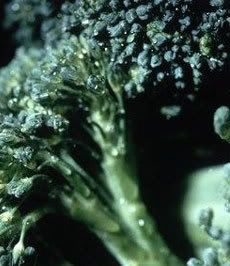
Many nutritionists have dubbed broccoli a "SuperFood" - and with good reason. This tasty, versatile and nutrient-packed member of the cabbage family packs a strong anti-oxidant punch that can help fight many types of cancer, while also providing a hefty dose of calcium for strong bones and folic acid to prevent birth defects.
Broccoli contains the phytonutrients sulforaphane and indoles, which have been shown to effectively fight many types of cancer. Indole-3-carbinol has been found to deactivate an estrogen metabolite that promotes tumor cell growth, while increasing levels of a cancer protective form of estrogen called 2-hydroxyestrone. It also inhibits the movement of cancerous cells through the body.
Sulforaphane boosts detoxification enzymes to clear potentially carcinogenic substances from the body more quickly, while halting cell growth and increasing the self-destruct mechanism in abnormal cells. New research has shown that this phytonutrient can help repair sun damaged skin as well.
When broccoli is cut, chewed or digested, it releases glucose along with compounds that help to break down food, including isothiocyanates, which stimulate enzymes in the liver that detoxify carcinogens. One form of isothiocyanates, known as allyl isothicyanate, inhibits cell division while encouraging the self-destruct function in abnormal cells. These characteristics make regular consumption of broccoli a tasty way to reduce your risk of many types of cancer, including breast, prostate, colorectal and lung.
Broccoli is especially good to consume during pregnancy. It is packed with nutrients and an excellent source of calcium (74 mg per cup), vitamins C (124 mg per cup) K, and A, folate (94 mcg per cup) and fiber. The high calcium content helps to build and maintain healthy bones for your baby and you, while the folic acid helps prevent spina bifida and other birth defects, and the fiber content helps relieve constipation. Broccoli's high beta-carotene content helps fortify your immune system and promotes clear skin. Broccoli is also a good source of phosphorus, magnesium, potassium, and vitamins E and B6.
It is estimated that about 50 percent of Americans are infected with a bacterium known as H. pylori, which can cause ulcers and damage DNA. Eating broccoli sprouts has been found to suppress this potentially deadly bacterium and relieve the gastritis associated with it. Broccoli sprouts also provide 10-100 times the sulfur-containing phytonutrients as mature broccoli to detoxify carcinogens and boost enzymes.

Friday, April 4, 2008

Focus Your Energy


Sit in a comfortable position and begin breathing deeply. Relax and slow your breath. Breathe as if you are right next to a tree branch that can not be swayed by your breathing.
Close your eyes and put your hands out in front of you. Feel each hand and notice the life force that pumps through them.
Continue breathing deeply but breathe as if you are breathing into just one of your hands. You will start to feel an increase in energy in the hand on which you focus.
If you have a certain place in your body that needs healing, try focusing your breath on that area, as if you are breathing with that body part. If you are feeling depressed, try focusing your breath on positive thoughts. For example, if you are feeling down about your appearance or something you've done, try focusing on what is beautiful about your appearance or something good you've done by breathing into those thoughts.
Lastly, focus your breath on your unborn baby. Breathe into your womb, giving your baby rich oxygen and life force.
Take your time breathing into places that need healing or more life force. When you are finished, slowly open your eyes and return to the outside world.

Friday, March 28, 2008

The Great Outdoors


Spending time outdoors is a cherished tradition for many people, while others avoid the outdoors due to allergies, phobias, a lack of access or just a lack of interest. So many of us are surrounded every day by man-made technology designed to simplify our lives - such as cars, computers, and cell phones - but which can ultimately increase the pace of life, leaving us harried, stressed and sick. Sometimes we lose track of the peace and happiness that can be achieved just by taking a walk in the park or spending a day at the beach.
The psychological and physical affects of looking at or being near nature are more profound than most people realize. Studies have found that nature scenes help students perform better on tests, relieve anxiety in patients recovering from open heart surgery, help patients recover faster after gall bladder surgery, and reduce headaches and sickness in prison inmates. It's also been shown that spending time outside lessens fatigue in breast cancer patients and reduces outbursts from Alzheimer patients. And a recent study at the University of Illinois revealed that playing outdoors, particularly in lush green areas, can reduce symptoms of ADHD in children.
Sunlight is important for the production of serotonin in the brain, as well as for the production of vitamin D. The cells that make up our skin are built much like solar panels in the way they convert sunlight to the vitamin D necessary to maintain calcium levels in our blood and ensure strong bone structure. Vitamin D can also reduce the risk of certain types of cancers, type 2 diabetes, heart disease, hypertension, and osteoporosis. Although many foods contain vitamin D and many others are fortified with vitamin D, it is not as readily and safely absorbed by our bodies as the vitamin D that comes from pure sunlight. Approximately 80 percent of our daily vitamin D requirement is met through direct sunlight. However, 42 percent of African Americans between the ages of 15 and 29 and 36 percent of Caucasians ages 18 to 29 are vitamin D deficient. A vitamin D deficiency increases the risk of developing hyperparathyroidism, type 1 diabetes, hypertension, certain cancers and heart failure. Spending a few minutes outside a few times a week can ensure you get enough vitamin D, and any excess vitamin D is stored by your body for several weeks.
Spending time outdoors can be especially beneficial during pregnancy. The vitamin D you get from the sun helps promote fetal bone growth and reduce maternal bone loss during pregnancy, while the vitamin D found in breast milk is necessary for your child's skeletal and mental development. Walking near a body of water or taking a stroll in the woods can lower your blood pressure and improve your mood, which can help you relax and have a more comfortable pregnancy.
If you can't easily access a natural area or if you simply don't enjoy being in the great outdoors, you can purchase many items to help you bring a bit of nature inside your home. CDs featuring the roar of the ocean or birds singing in the forest can help you relax, while natural loofahs, mud masks, salt scrubs, seaweed wraps, light machines and natural light bulbs imitate some of the relaxing and healing qualities of the outdoors.

Friday, March 21, 2008

Hypnosis


Many Eastern religions and cultures use deep meditation as a form of self-hypnosis to attain enlightenment and serenity. This method of relaxation and focus has also helped many women to remain in control and calm during childbirth, thereby decreasing their pain and speeding their labor.
There is a significant difference between an entertaining hypnotist and a medical hypnotherapist. Hypnosis is intense, focused concentration with partial or complete unawareness of peripheral activity. Entertainment-quality hypnosis depends greatly on a person's openness to peer pressure and suggestion. A hypnotherapist, on the other hand, develops a relationship with a person in order to deepen their hypnosis practice and truly help the individual tap into their unconscious for therapeutic purposes.
Self-hypnosis is very similar to meditation. Both require practice to effectively master and they both increase alpha brain waves, which promote relaxation. The primary difference between the two is that the individual usually counts down into and out of the state of hypnosis. Self-hypnosis can be a powerful tool if used properly. However, some people may have a hard time letting go and losing control. In these cases, a trained hypnotist may be necessary to reach a hypnotized state.
Hypnosis has been shown to help people quit smoking, alleviate pain, minimize anxiety and nausea, promote relaxation, and to interrupt an intense emotional state. Contrary to popular belief, a state of hypnosis is not a state of unawareness or sleep. If you've ever been engrossed in a good book to such a degree that you are completely unaware of your surroundings, then you have been in a state of hypnosis. Nothing can be done to you without your consent, it is simply a shutting down of your conscious mind in order to tap into your unconscious or subconscious.
The first step in practicing self-hypnosis for labor begins before labor ever begins. It requires you let go of the common perception that childbirth is the most painful process a woman ever experiences. The idea - the reality - that should be implanted in your mind is that labor and delivery is perfectly natural and that your body is designed to release hormones to reduce pain. A confident and relaxed approach to childbirth can result in an empowering and beautiful experience.
Many women who have used hypnosis during labor claim to have a "pain free" experience. This is not a guarantee but an absolute possibility. In order for you to recognize the sensation of pain, your brain has to process it. During hypnosis, the brain is able to identify a painful sensation and choose not to register it as a threat or something that needs alleviating. This can actually reduce or block the painful sensation. It also allows you to relax instead of tensing up in fear, which only results in more pain. The outcome truly depends on the individual.


Learn more:


Friday, February 29, 2008

Acupressure to Relieve Pregnancy Discomfort


Acupressure is an ancient healing art developed in Asia over 5,000 years ago, using the fingers, hand, elbow or other device to apply pressure to specific points on the surface of the skin to stimulate the body's natural self-curative abilities. Proponents believe that acupressure may reduce muscle pain and tension, improve blood circulation and release endorphins. It is thought that when an acupressure point is pressed, muscle fibers elongate and relax, allowing blood to flow more freely and toxins to be released and eliminated.
Acupressure uses rubbing, light pounding and gentle massage to direct energy to different parts of the body. It focuses on pressure points along the nervous system's meridians that are connected to various organs throughout the body. It is believed that when an organ stops functioning correctly, it is due to a lack or excess of energy. Acupressure can be used like a faucet, to slow or increase the flow of energy to wherever it is needed. Acupressure can help relieve pregnancy-related discomfort because it is low impact and the body's heightened sensitivity during pregnancy responds well to this kind of treatment.
According to acupressure theory, a pressure point will become painful and hard when an organ malfunctions. When there is too much energy, the point will be sore and sensitive to the touch. To relieve bottled up or excess energy, the point needs to be calmed through slow, deep and sustained finger pressure, in an outward or counter-clockwise direction. The pad of the thumb works best. When there is a shortage of energy, a light, superficial pressure using the fingertips in an inward or clockwise direction will restore balance. An initial worsening of the condition might be felt, but it is part of the healing process and will resolve itself quickly.
Concentrations of pressure points are located near the extremities, around the elbows, fingers, knees and toes, while the wrists contain the most sensitive points. Bending the wrist and fingers back gently can indicate how great the need is for circulation and stimulation in the rest of the body.
Although more research is needed, initial studies have found acupressure to be an effective treatment for many ailments, including nausea and motion sickness, insomnia, sleep apnea, obesity, bedwetting in children, high blood pressure, anxiety, depression and drug addiction.
One of the most effective acupressure points is the Neiguan or pericardium 6 (P6) point, used to relieve nausea and vomiting. It is located on the inside of the wrist, three fingerbreadths above the crease of the wrist between the two tendons. The bracelets sold to relieve motion sickness and other forms of nausea use this pressure point.
To relieve pain during labor, have your partner use their knuckle to apply pressure to the Ciliao BL-32 point, located one finger width up from the crease of your buttocks and one thumb width to the left or right side of the spine. There is a small depression where the point lies. You should feel numbness, warmth or tingling when pressure is applied. If you feel a sharp pain, your partner may be pressing the bone near the point. The pressure points on either side of the spine might not line up perfectly during labor, due to muscle contractions, therefore it's important to communicate with and guide your partner until he or she finds the right spot. This point has been reported by many as being extremely useful for pain relief during labor.

Friday, February 1, 2008

Memory Recall


Every species of animal stores some form of memories in its brain, but how and where memories are stored is still poorly understood and hotly debated. Recent studies support the hypothesis that memories are sets of encoded neural connections and to recall a memory, one must simply stimulate the part of the brain where the neural connection for that memory occurs. As scientists learn more about how the human brain works, our understanding of how we remember events and learn new skills and information is enhanced.
We are constantly receiving sensory information from our environment. Some of this data is held for a few moments and then forgotten, while some is moved into short-term memory, and some is stored in our long-term memory. Short-term memory has a limited storage area - able to hold only about seven independent items at one time and for only about 30 seconds - making this area good for information we need now or will need in the near future. Information that may help us in the future is sent to our long-term memory, where it can last a lifetime.
There are two basic types of long-term memory: procedural and declarative. Each uses different parts of the brain. Procedural memories, also called implicit memories, are the "how-to" memories we use when riding a bike or playing an instrument. It is generally difficult for people to communicate their procedural memories because they are based in a non-conscious understanding. For instance, most people can easily characterize a face as "attractive," but they have a hard time explaining why and cannot provide a definition of attractive. So if you are trying to learn to play a musical instrument and it seems as if you are practicing the same thing over and over again with little to gain, a non-conscious understanding and memory are most likely developing.
Declarative memories are made up of the information we accumulate through repetitious practice as well as events and experiences. Declarative memories are so-called due to our ability to communicate them, and are best maintained through repetition or frequent recollection, as well as systematic methods such as mnemonic devices. There are two sub-categories of declarative memory: episodic and semantic. Semantic memories are based on knowledge and understanding and are not related to any one experience. Episodic memory is the memory of an event or experience and incorporates time, place and emotions during the experience. Most people who suffer from amnesia have deficits in episodic memory and studies have shown that episodic memories are more prevalent in women than men.
When trying to learn a skill, we now know that practicing something well is more important than doing more of it or doing it faster. The non-conscious absorption of a skill is recalled correctly when it has been practiced accurately. This is because non-conscious memories are stored as action sequences. If you mess up a sequence, it is better to continue through the mistake, rather than to start over because the memory of it will end when you resume the sequence.
Memories are not hardwired, meaning a memory can be replaced or imaginarily enhanced through suggestion very easily. This is why memories recalled through hypnotism can not be used in a court of law.
The next time you are trying to remember something, think of what type of memory it is. Is it procedural or declarative? If it's procedural, you may be able to simply start the activity, such as riding a bike, and the memories should return. If it's declarative, then you have to ask yourself if it's episodic or semantic. If it's episodic, recalling one aspect can usually bring back the entire experience. If it's declarative then you just might need some more repetition to get the answer right or you can find an episodic memory that relates to it. For example, if you had an emotional relationship around the time that you learned about the American Civil War, remembering details of that relationship might lead you to forgotten information about the Civil War.


Read more:


http://www.parentingweekly.com/pregnancy/breathingspace/vol26/pregnancy_health_fitness.asp

Friday, January 25, 2008

Asparagus for folic acid!


Asparagus has been prized for its delicate taste and nutritional benefits for nearly 2000 years. It has the highest folic acid content of any vegetable, making it a perfect food during pregnancy. It is also a natural diuretic, laxative, and may promote cardiovascular health.
Asparagus is a member of the lily family and related to onions and garlic. The tender spears that we eat grow from an underground crown, which can take up to three years to develop enough to produce shoots; but once it begins, the crown can continue to produce spears for up to 20 years.
The ancient Greeks and Romans believed asparagus could relieve toothaches and bee stings, and while these medicinal benefits have proven false, asparagus can help prevent and relieve other health conditions. Asparagus contains key minerals and amino acids that act as a natural diuretic, which may help relieve PMS-related water retention, arthritis and rheumatism. Its high fiber content may help prevent and relieve constipation, and it contains a particular type of amino acid that helps to neutralize ammonia in the body, which can be toxic and cause fatigue. It also contains rutin, a bioflavonoid, which strengthens blood vessels and prevents their rupture, and is a good source of potassium which can help fight hypertension and quell exercise-related nausea by balancing electrolyte levels.
The high folic acid content in asparagus may play a key role in promoting cardiovascular health. Folic acid has been shown to decrease homocysteine levels in the blood and to improve endothelial function (blood flow) in blood vessels. Homocysteine is a naturally-occurring amino acid, elevated levels of which have been linked to coronary heart disease and stroke. Some scientists estimate that consuming 400 mcg of folate daily could reduce the number of heart attacks suffered by Americans each year by 10 percent.
The folic acid found in asparagus is also necessary for new cell formation and maintenance as well as DNA replication, which are especially important during periods of rapid cell division and growth such as pregnancy. Folic acid deficiency has been linked with neural tube defects, such as spina bifida and anencephaly. Some studies show that folic acid may also help prevent stroke, some cancers, and possibly Alzheimer's disease.
The inulin content of asparagus may also promote intestinal tract health. We are unable to digest inulin, a certain type of carbohydrate, but the beneficial bacteria in our intestine can, which causes more of these good bacteria to grow and inhibit the growth of harmful bacteria. The proliferation of these good bacteria can help you to digest food and fight off illness.
It takes only one cup (approximately 5.3 ounces) of asparagus to supply 66 percent of the daily recommended dose of folic acid, and it is also a great source of vitamins C, E and A, and vitamins B1, B2, B3 and B6, as well as dietary fiber, iron, manganese, copper, and phosphorous.

Friday, January 4, 2008

The Power of Omega-3


In today's diet-conscious culture, many people try to eliminate every kind of fat from their diet. However, omega-3 fatty acids, also known as polyunsaturated fatty acids, are good fats that can improve cardiovascular health, prevent diabetes, improve brain function, and may even help you lose weight.
According to the American Heart Association, omega-3 fatty acids can improve cardiovascular health by decreasing blood pressure, minimizing the hardening of arteries, stabilizing heart rhythm and preventing the development of clots and plaque, thereby decreasing the chance of stroke and heart attack. Omega-3 fatty acids have also been shown to reduce LDL ("bad") cholesterol and increase DHL ("good") cholesterol.
The high blood glucose levels associated with diabetes can damage nerves and blood vessels and lead to increased deposits of fatty materials on the insides of the blood vessel walls, which can lead to complications such as heart disease and stroke. Omega-3 fatty acids help lower blood sugar and reduce plaques and clotting, helping to prevent heart disease and keep diabetes at a manageable level.
In addition, DHA (docosahexaenoic acid), one kind of omega-3 fatty acid, has been found to boost insulin function in people who are obese and at particular risk of developing type 2 diabetes. In one study, 70 percent of patients with insulin resistance who took a daily dose of omega-3 fatty acids showed a marked improvement in insulin sensitivity.
Omega-3 fatty acids may even contribute to weight loss, although additional studies are needed to confirm initial findings. According to several small studies, it appears that omega-3 fatty acids may increase oxidation of fat by activating genes that break down fat and reduce the number of fat cells, especially in the abdominal region. And due to regulated blood sugar levels, omega-3 fatty acids may make you feel fuller longer, helping to curb those snack attacks.
Inflammatory disorders such as asthma, rheumatoid arthritis and osteoarthritis, and irritable bowel syndrome (IBD) may be at least partially relieved from omega-3 fatty acids. Researchers at the University of Pittsburgh Medical Center gave patients suffering from chronic pain fish oil supplements for 20 to 30 days and found that nearly two-thirds of the patients no longer needed to take other anti-inflammatory pain medication. At Indiana University, patients taking fish-oil supplements were found to have reduced symptoms of asthma and exercise-induced bronchoconstriction.
Omega-3 fatty acid's ability to improve brain function has been the focus of a lot of attention. A particular type of brain wave that is linked to memory and learning has been found to transmit significantly faster when supplemented with omega-3 fatty acids. These brain waves typically slow down with age and are slower in people with dementia. But within two hours after taking the supplements, test subjects showed an increased rate of transmission. DHA is also critical to proper visual and neurological development in babies and infants who do not get enough omega-3 fatty acids from their mothers during pregnancy are at risk for developing vision and nerve problems.
The effects of omega-3 fatty acids on the brain may also contribute to psychological stability. DHA makes up about 25 percent of the body's brain fat and manages the production and flow of serotonin. People battling bi-polar disorder, depression, and schizophrenia have been found to be DHA deficient, although more studies are necessary to determine the connection between psychological health and omega-3 fatty acids. This finding may be particularly helpful for women suffering from postpartum depression and those going through menopause.
Read more:
http://www.parentingweekly.com/pregnancy/breathingspace/vol22/pregnancy_health_fitness.asp

Tuesday, December 11, 2007

The Third Eye Meditation


Breathe deeply. Inhale, slowly filling your abdomen up to your collarbone and exhale until the last breath is out. Relax.
Close your eyes. Place your attention on the area between your eyebrows. After a short time, a point of light will present itself in the center of your inner field of vision. Keep your focus there. For some people, it will be beneficial to raise their eyeballs as if they were looking up at about a 25-degree angle. For others, just directing their attention upwards will be easier and less distracting. After some experimentation, go with one of the ways exclusively. In the beginning of third eye practice, it may help to place your thumb at the outer edge of one eye and your middle finger on the outer edge of the other, while placing your index finger at the mid-point between your eyebrows. This gives you a point of focus to place your attention. It also allows you to prevent your eyelids from fluttering. This commonly occurs and can be distracting until you get used to the sensations that accompany this technique.
Let the light come to you. Be available to be filled. The more you continue practicing this meditation, the more layers of the veil of illusion will peel away and Reality will reveal itself to you. As you perceive the Truth, your understanding of the delusional concept that you are apart from the rest of the universe will lose its grip on you, and the knowledge that you are a part of all and everything will become undeniably apparent. Your chattering mind will eventually dissolve in the unspeakable transcendent light of love that is now and forever within and without you...

Friday, December 7, 2007

The Importance of Dietary Iron


Iron is found in every cell of your body and is an essential component of hemoglobin, the protein in red blood cells that carries oxygen to tissues throughout the body. Iron is also found in myoglobin, which distributes oxygen to the muscle, skeletal, and heart muscles. Iron is also critical to the proper functioning of the immune system and the production of energy. Insufficient iron stores in the body can lead to anemia and other illnesses. Women who are menstruating, pregnant, or lactating are at an increased risk for iron deficiency.
There are two types of dietary iron: heme iron, which is found only in animal tissue, and non-heme iron, which is found in plant foods and diary products and is added to iron-enriched and iron-fortified foods. Although heme iron has been shown to be more readily absorbed by the body, most dietary iron is non-heme.
Iron deficiency is the most common nutrient deficiency in the US and around the world. Iron deficiency causes anemia which reduces the oxygen carried to tissue. Donating blood regularly, excessive menstrual bleeding, some medications that interfere with the absorption of iron (such as antacids), and pregnancy and lactation can all contribute to iron deficiency. The elderly, vegetarians and children are often iron deficient. People who are low in iron may experience weakness, fatigue, an inability to focus, increased susceptibility to illness, hair loss, lack of balance, headaches, brittle nails, apathy and depression. They may also crave or eat inedible materials such as dirt, clay, laundry starch, charcoal, and lead paint chips, a behavior called pica. Iron deficiency is associated with learning disabilities and a lower IQ in children and Harvard researchers recently determined that that iron deficiency may play a key role in female infertility.
Chronic iron overload, on the other hand, can cause many of the same symptoms, including loss of appetite, fatigue, weight loss, headaches, bronze or gray hue to the skin, dizziness, nausea, and shortness of breath. However, this condition usually only occurs in people who have regular blood transfusions, take iron supplements or have a genetic disorder called hemachromatosis. Men are at a greater risk for iron overload than a deficiency because they do not regularly lose iron.
Iron poisoning can occur when large quantities of iron-containing supplements are ingested and can cause nausea, vomiting, damage to the lining of the intestinal tract, shock, and liver failure. It is a leading cause of death among children.
The iron present in whole grains is contained in the bran and germ. The milling process that turns whole grains into refined grains removes the bran and germ, eliminating approximately 75 percent of the iron. Although many refined grains are fortified with iron, it does not absorb as well as naturally occurring iron. And while cooking with iron cookware adds iron to food, it can eventually lead to iron toxicity. Our bodies absorb iron as it's needed; for example, during children's growth spurts and during pregnancy and lactation. Certain nutrients increase iron absorption, such as ascorbic acid (vitamin C), copper, cobalt, manganese and amino acids, while others - such as calcium - decrease its absorption. While oral contraceptives don't increase absorption, they can help women maintain their iron levels by reducing the amount of blood lost during menstruation.
The regular use of antacids and low stomach acid can decrease the body's ability to absorb iron, as can the caffeine and tannins in coffee and tea. While the effect from tannins does not need to be a consideration for people with healthy iron levels, those who are iron deficient should wait an hour or more after meals before drinking caffeinated teas. In addition, the phosphates found in soda, phytates found in whole grains, and oxalates found in spinach and chocolate can all decrease iron absorption. The phytates and oxalates can form complexes with the iron, which prevents its absorption in the intestinal track.

Find out more about dietary iron and how you can get it from your diet: http://www.parentingweekly.com/pregnancy/breathingspace/vol18/pregnancy_health_fitness.asp

Wednesday, November 28, 2007

Olive Oil's Bountiful Benefits


Olea europaea, also known as the olive tree, has been a source of food, wood, fuel and medicine for civilizations since approximately 3000 B.C and has become a symbol of peace and wisdom throughout the world. The oil produced from its olives is used extensively in Mediterranean diets and may be the cause of lower rates of heart disease, atherosclerosis, diabetes, asthma and certain types of cancer in that region's population.
Olive oil is made from crushing and pressing olives. Extra virgin is the unrefined oil made from the first pressing and has the most delicate flavor and highest phyto-nutrient and antioxidant content. Virgin is also derived from the first pressing but has a higher acidity level than extra virgin, fewer phyto-nutrients and a less delicate flavor. Pure olive oil is a bit of a misnomer as it actually means the oil is a blend of refined and virgin olive oils.
While olive oil is rich in fat, it is primarily monounsaturated fat which is better for you than saturated fat. Scientists have determined that particles of LDL ("bad") cholesterol that contain monounsaturated fats are less likely to become oxidized and stick to artery walls, eventually forming the plaques that can lead to a heart attack or stroke. A recent study, published in the Medical Science Monitor, of 28 individuals with high cholesterol showed that, when the saturated fat was removed from their diets and replaced with olive oil, their LDL cholesterol levels dropped an average of 18 percent. Scientists believe that the polyphenolic compounds found in olive oil inhibit the adhesion of cells to the blood vessel lining, thereby preventing atherosclerosis.
The polyphenols present in olive oil are responsible for its anti-inflammatory, antioxidant and anticoagulant benefits, and may help fight osteoporosis, colon cancer, diabetes, heart disease, asthma and arthritis. The positive affect of olive oil's polyphenols on bone health are so dramatic that France's National Institute for Agricultural Research has been licensed to use them in food, supplements and herbal medicine for the prevention of osteoporosis. Postmenopausal women used in a crossover study were found to have decreased inflammation-mediated bone loss and their DNA experienced 30 percent less damage when consuming extra virgin olive oil. This is due to the antioxidants found in olive oil, which are free radical scavengers.
A recent study found that the oleic acid found in olive oil may help fight breast cancer. Oleic acid, the primary monounsaturated fatty acid present in olive oil, has been found to reduce the expression of Her-2/neu oncogene, which has been related to the aggressive growth of breast cancer. Her-2/neu levels are high in one-fifth of breast cancer cases, particularly those that are resistant to treatment. Oleic acid promotes the suicide (apoptotic) of aggressive, treatment-resistant cells. The anticoagulant properties in olive oil have beneficial effects on the endothelium, the thin layer of cells that lines every blood vessel in the body. The endothelium facilitates blood flow and regulates blood clotting and the adhesion of cells to the vessel walls (which leads to the formation of plaque). After eating a meal, the endothelium is usually impaired for hours, but scientists at Reina Sofia University Hospital in Cordoba, Spain, found that after consuming virgin olive oil its function actually improves. In addition, the amount of nitric oxide in the blood increases, which relaxes the blood vessels.
Olive oil may also be useful as a mild pain reliever. Pennsylvania biologist Dr. Gary Beauchamp found that, when he tasted high quality olive oil, the stinging sensation it left in his throat resembled the sensation caused by ibuprofen. After studying olive oil further, he discovered a compound in the oil that suppresses the body's prostaglandin system and functions like a non-steroidal anti-inflammatory agent. He found that approximately 4 tablespoons of extra-virgin olive oil contains roughly the same amount of anti-inflammatory compounds, or oleocanthal, as 10 percent of the ibuprofen recommended for pain relief in adults. While this amount won't cure a headache and many diets should not include this much oil, daily consumption can prevent inflammation and provide similar benefits as long-term ibuprofen use without the risk of intestinal bleeding and kidney damage. To find out how much oleocanthal is in your olive oil, scientists suggest tasting it. The greater the sting, the greater the oleocanthal content.
Read more:

Tuesday, November 20, 2007

The Heart Can Heal Itself


At the University College London (UCL), scientists have recently discovered that cells from the heart's outer layer can migrate into a failing organ to carry out necessary repairs. This finding highlights the power of stem cells that are readily available in each person's heart and may lead to more effective treatment of serious heart problems.
Ten years ago, a toddler with a heart that was too big and too weak was given a donor heart and her original heart left intact. Recently, her body rejected the donor heart and when the doctors opened her up, they found her heart had healed itself.
The cells that carry out these repairs are called progenitor cells and are controlled by the protein thymosin beta 4, which has already been shown to reduce muscle cell loss after a heart attack. Scientists are now researching ways to manipulate this protein to treat heart disease. Progenitor cells are similar to stem cells because they have the potential to turn into many different types of adult tissue.
In the past, it was thought that to carry out repairs on the heart, progenitor cells needed to be summoned from the bone marrow, but this study puts that theory to rest. The progenitor cells needed to repair the heart are already located within the heart tissue itself.
The UCL team found that progenitor cells under the influence of thymosin beta 4 can be stimulated to create new blood vessels. Dr. Paul Riley, the lead researcher said: "We found that, when treated with thymosin beta 4, these adult cells have as much potential as embryonic cells to create healthy heart tissue." This discovery helps to avoid the risks of immune system rejection when using stem cell transplants from another source because the cells are already located where they are needed.

Thursday, November 15, 2007

The Dalai Lama's Meditation


Sit quietly, calmly with eyes closed, as relaxed yet aware as you can be.
Visualize yourself on the left side of your minds eye as you would appear to yourself and others in a moment of impatience. Really see this inner vision. Watch your face, observe your body language. What does your impatient self look like?
On the right side of your minds eye, see yourself when you are very patient. What do you look like when you have a lifetime of time. As tense as you appeared on the left as your impatient self, see yourself as relaxed in your patience on the right.
Now on the left side, see yourself as you appear when you're depressed. Look carefully. How does that make you feel? Can you be aware of the aura of doom and gloom you're radiating? And then, on the right side of your minds eye, see yourself as you are when you're joyous. Merge with that happiness. Know how others would see you.
Continue seeing all the seemingly negative feelings and behaviors on the inner left-hand side of your minds eye and the opposite on the right.
On the left, see yourself as jealous and on the right as how you appear when you are truly glad for someone else's success or happiness. On the left, see the bigoted you and on the right, the all-embracing. On the left the mean, on the right the sweet. See the stupid you and the brilliant. See the clumsy and the graceful. On the left, see the unsatisfied and on the right, the contented.
Go on and on, becoming familiar with the "you" on the left and the opposite "you" on the right.
Then see the total "you" who would be there on the left if none of the characteristics of the right side were present. Now see the "you" who would be the totality of yourself with the right side only if none of the behaviors and feelings of the left side "you" had ever appeared.
Read more:

Tuesday, October 30, 2007

Yogurt's Amazing Benefits


Yogurt has been consumed for thousands of years, but scientists have only recently begun to reveal its ability to dramatically increase your overall health. Yogurt contains valuable nutrients and can help you lose weight, boost immunity, ward off fungus and infections, and fight cancer.
Researchers have studied countries in which fermented dairy products (including yogurt) are eaten on a regular basis and have found a direct correlation between the consumption of these products and a longer life span. So what is so special about yogurt that it helps improve health and prolong life?
Yogurt is made by adding living bacteria cultures to milk, which turns the sugar in milk (lactose) into lactic acid. While we usually consider bacteria as something to avoid, these are good bacteria that provide a wealth of health benefits. And it is safe to eat throughout pregnancy, unless you are specifically allergic.
The bacteria present in yogurt can help prevent yeast infections during pregnancy and boost overall immune system health. A recent study of women who were at a high risk of yeast infections showed a threefold decrease in infections in women who ate eight ounces of yogurt a day for six months.
A study published in the Journal of Nutrition found that yogurt fights off pneumonia in animals. Malnourished mice that were fed the live cultures present in yogurt were able to clear the pneumonia pathogen from their blood and had less lung damage than the control group. The result was the control group took 21 days to recover from pneumonia while the mice given yogurt cultures recovered in just 7 days. In another study involving healthy women aged 22 to 29 daily yogurt consumption was proved to stimulate cellular immunity, a benefit that persisted even after the women stopped eating yogurt every day.
Although low-fat foods are recommended as part of a healthy diet, according to the American Journal of Clinical Nutrition even full-fat dairy foods may significantly reduce the risk of colorectal cancer and other diseases. The fat found in these products, known as conjugated linoleic acid, has been shown to be cardioprotective.
Yogurt has also been shown to be beneficial for inflammatory diseases like inflammatory bowel disorders and arthritis. Israeli researchers reported in the Journal of Nutrition that the probiotic (friendly) bacteria, Lactobacillus, found in yogurt have "remarkable, preventative and curative" effects on arthritis. Yogurt can also shut down the bacterium responsible for ulcers, according to a study published in the Journal of Clinical Nutrition.
Yogurt is a great source of calcium which is especially important for pregnant women whose calcium reserves are used by their growing baby. One study of young girls going through puberty growth spurts found that yogurt is better for building bone than calcium supplements. It's also a good source of phosphorous, riboflavin-vitamin B2, vitamin B12, pantothenic acid-vitamin B5, iodine, zinc, potassium, protein and molybdenum.
Calcium-rich foods such as yogurt can also help you lose weight around the midsection. A study published in the International Journal of Obesity of 16 obese women and men on a reduced calorie diet lost 61 percent more fat and 81 percent more abdominal fat in three months when consuming yogurt daily, compared with 18 participants that ate the same number of calories but little to no dairy products.


Read more: http://www.parentingweekly.com/pregnancy/breathingspace/vol14/pregnancy_health_fitness.asp


Meditate on Reality


Find a comfortable space and position. Begin breathing deeply through your nose. Slowly draw out each breath, gently allowing the air to fill your body and then escape.
Close your eyes.
Listen to the sounds around you, whatever they may be. Listen to barking dogs, passing traffic, people talking. Listen to the sounds going on inside your body. Listen to your stomach's grumbling, your heart's pumping beat, the blood running into each part of your body.
With these sounds, create a mental image. Imagine each sound as a wave on the surface of a large lake or ocean. But instead of water, it is life. As you go deeper into the water, your breath becomes free and deep. This is the ocean of your life, where you exist and move.
Breathe in deeply, hold it for a moment and as you exhale, plunge deeper into the ocean of life.


Read more:


http://www.parentingweekly.com/pregnancy/breathingspace/vol14/pregnancy_meditation.asp


Friday, October 19, 2007

The Lion's Roar during Labor


Pratyahara is the act of directing your attention to a "disturbance." Instead of trying to avoid or suppress pain, accept it and experience it. As you get to know it, it will no longer feel dangerous. The pain may not disappear but the fear of it will. Fear and stress can complicate the birthing process and put your body through more suffering than necessary. Once you can accept the pain and allow yourself to experience it, birth becomes a powerful experience. Some women have said they were able to feel each movement of their uterus through this technique, while others have said they were able to allow the forces of nature to work.
The Lion's Roar
Many women have found this vocal toning technique to be very beneficial during labor. Open your mouth and stretch your tongue far out. While exhaling, make a relaxed, deep sound. This will automatically cause your body to respond and begin to relax from your groin to your pelvic floor and up.

Read more: http://www.parentingweekly.com/pregnancy/breathingspace/vol12/pregnancy_exercise.asp